 EN
EN

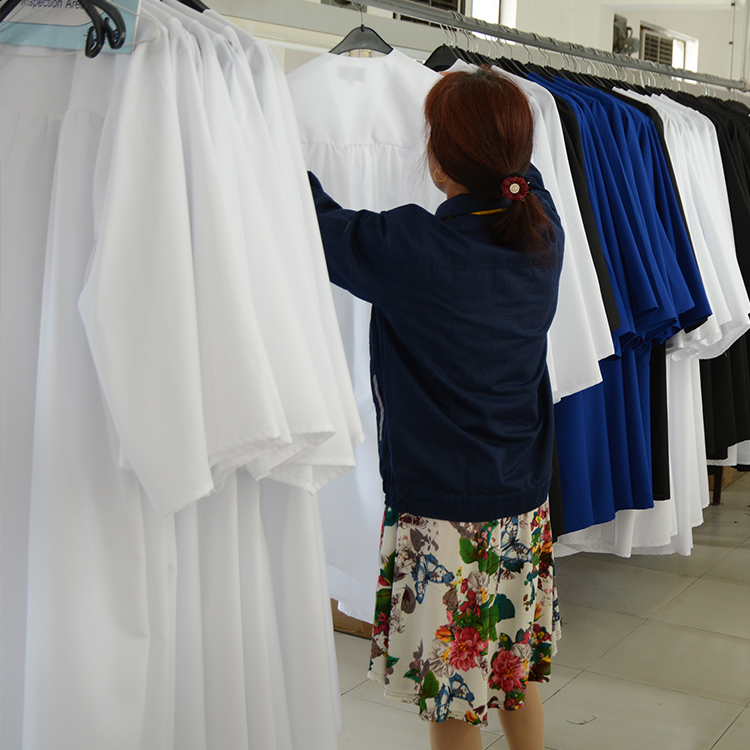
Selecting the right graduation gown factory for global orders requires understanding multiple operational dimensions that extend far beyond basic production capacity. A graduation gown factory handling international demand must demonstrate consistent quality standards, reliable delivery timelines, regulatory compliance across multiple jurisdictions, and the logistical infrastructure to manage complex supply chains. The stakes are particularly high because graduation ceremonies represent singular, irreplaceable events—delays or quality failures directly impact institutions and thousands of students worldwide. Understanding what distinguishes a suitable graduation gown factory from an inadequate one is essential for procurement professionals, educational institutions, and corporate buyers making sourcing decisions.
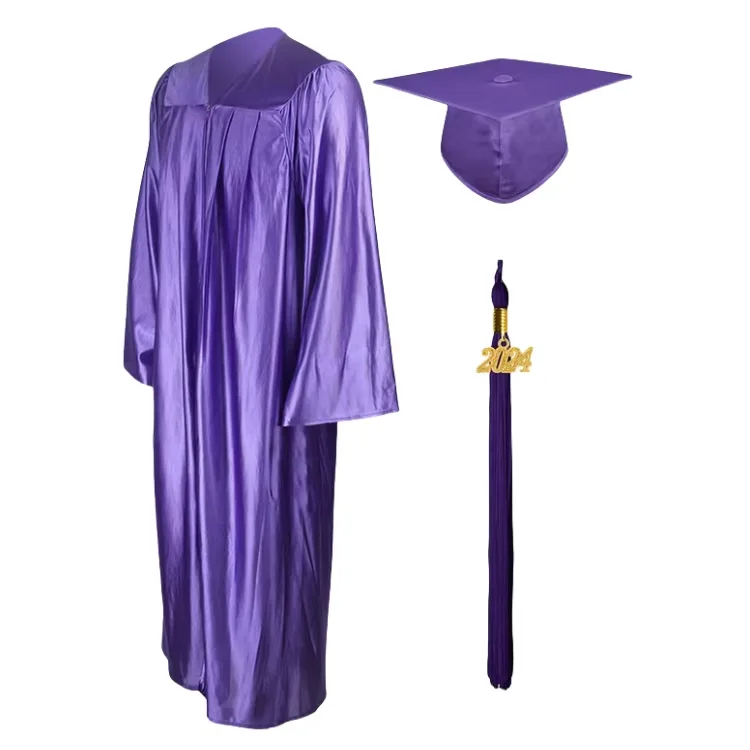
A graduation gown factory suitable for global orders operates within a framework of established quality control protocols, transparent communication channels, and proven capacity to fulfill large-volume requests across seasonal peaks. These factories maintain certifications, documentation standards, and production flexibility that international customers expect. The distinction between a local or regional graduation gown factory and one truly prepared for global operations often determines whether orders arrive on time, in correct specifications, and within acceptable cost parameters.
Production Capacity and Scalability Standards
Recognizing Adequate Manufacturing Infrastructure
A graduation gown factory designed for global orders must maintain production facilities capable of handling volume fluctuations without compromising lead times or quality. Global demand for graduation gowns concentrates seasonally, typically peaking in spring and early summer across Northern Hemisphere institutions, while Southern Hemisphere orders arrive during different cycles. A suitable graduation gown factory operates multiple production lines, maintains equipment redundancy to prevent single-point failures, and employs workforce scheduling systems that absorb peak demands without subcontracting to unvetted manufacturers. The factory's ability to scale from standard orders of 500 units to large institutional requests exceeding 10,000 pieces reflects operational maturity that international customers require.
Inventory Management and Lead Time Predictability
International orders depend on a graduation gown factory maintaining strategic raw material buffers while avoiding excessive inventory carrying costs. Reliable factories implement demand forecasting systems, secure supplier relationships for base fabrics and components, and communicate realistic lead times transparently. A graduation gown factory handling global orders typically offers standard lead times of 60–90 days for custom orders and expedited options of 30–45 days at premium pricing. The factory must document its historical delivery performance, maintain sufficient inventory buffers for rush requests, and provide tracking systems that allow customers to monitor order status from production through shipment.
Quality Standards and Certification Requirements
International Compliance and Safety Certifications
A graduation gown factory serving global markets must comply with safety and material standards across multiple regions, including European Union regulations, North American requirements, and standards specific to institutional use. The graduation gown factory should hold certifications such as ISO 9001 (quality management), ISO 14001 (environmental responsibility), and specific textile certifications like OEKO-TEX or similar standards demonstrating fabric safety. Fire safety standards vary internationally—some regions mandate flame-retardant treatments—requiring that the graduation gown factory maintain technical knowledge of regional requirements and document compliance certifications for each market. Buyers should request documentation of all applicable certifications and verify that the factory conducts third-party audits rather than relying solely on internal testing.
Material Consistency and Construction Excellence
The graduation gown factory's reputation for quality rests on consistent material sourcing, standardized construction protocols, and rigorous defect detection. A suitable graduation gown factory maintains supplier qualification processes for fabrics, linings, and closure components, ensuring that material specifications remain identical across production batches and shipment windows. Quality control checkpoints should occur at multiple stages—incoming material inspection, pre-assembly verification, mid-construction checks, and final inspection before packaging. The factory should employ experienced quality inspectors trained to detect seam defects, zipper functionality issues, length inconsistencies, and finish problems that create unacceptable graduation gown units. Documentation of quality metrics, defect rates by category, and corrective action records demonstrates that the graduation gown factory maintains continuous improvement discipline.
Logistics, Communication, and Customer Support Infrastructure
International Shipping Coordination and Documentation
A graduation gown factory handling global orders manages complex logistics involving freight forwarding, customs documentation, duty management, and final delivery coordination. The suitable graduation gown factory maintains partnerships with established international freight providers, understands Harmonized Tariff System codes for textiles, and prepares accurate packing lists, commercial invoices, and certificates of origin required for customs clearance. Factories serving North American institutions must understand duty suspension agreements and preferential trade arrangements that affect landed costs. The graduation gown factory should communicate shipping timelines clearly, distinguish between sea freight (lower cost but 4–8 weeks) and air freight options (premium pricing but 10–14 days), and provide insurance recommendations for valuable shipments.
Customer Communication and Problem Resolution
Global orders succeed when the graduation gown factory establishes clear communication protocols and responsive problem-solving. A suitable graduation gown factory designates customer service representatives fluent in English (and ideally other languages serving their market base), maintains specified communication response times of 24–48 hours, and tracks customer inquiries within documented systems. When issues arise—such as production delays, quality concerns, or shipping complications—the graduation gown factory demonstrates accountability by investigating root causes, communicating transparently with customers, and implementing corrective measures. Support should include technical assistance on sizing recommendations, customization feasibility, regulatory requirements for specific markets, and guidance on packaging and handling to prevent damage. The graduation gown factory that proactively communicates about potential challenges before they become critical problems builds the trust necessary for long-term international relationships.
Customization Capabilities and Technical Flexibility
Design Adaptation and Brand Integration
International institutions frequently require customization—embroidered logos, institution-specific colors, regional traditions, or specialized sizing. A graduation gown factory equipped for global orders maintains in-house design and adaptation capabilities, including embroidery services, custom dye facilities, and pattern modification expertise. The factory should provide digital design mockups before production begins, allowing customers to verify that customization meets expectations. Technical capabilities matter significantly: the graduation gown factory must manage multiple color dyes, ensure color consistency across large batches, and accommodate regional fit preferences that vary between North American, European, and Asian markets. Customization capacity demonstrates that the graduation gown factory prioritizes customer-specific requirements rather than offering only standardized products.
Sizing Precision and Fit Specifications
Educational institutions order graduation gowns for diverse populations with varying body measurements, requiring that the graduation gown factory maintains comprehensive sizing systems and alteration services. A suitable graduation gown factory offers extended size ranges (from XS through 4X or equivalent), provides measurement charts specific to regional standards, and offers made-to-measure services for bulk orders. The factory should communicate realistic fitting tolerances, explain how gown silhouettes accommodate different body types, and offer recommendations for supplementary sizing solutions. Experience managing graduation gown factory operations for international markets teaches that sizing accuracy directly correlates with customer satisfaction—institutions receiving properly fitted gowns experience fewer complaints and stronger repeat business.
FAQ
What certifications should a graduation gown factory have for international orders?
A graduation gown factory serving global markets should hold ISO 9001 certification, demonstrate compliance with regional textile safety standards, and provide documentation of third-party quality audits. Additionally, the graduation gown factory should understand fire-safety regulations specific to each market and maintain OEKO-TEX or equivalent certifications confirming fabric safety. Request these certifications as prerequisites before committing to large orders, as they reflect the factory's commitment to international standards and continuous quality management.
How do I verify a graduation gown factory's production capacity for my institution's needs?
Contact the graduation gown factory directly with your specific requirements, including order volume, delivery deadline, and customization needs. A reliable graduation gown factory responds with detailed lead time commitments, historical delivery performance data, and documentation of past large orders. Request references from other institutions they've served, particularly those with comparable order sizes and similar deadline pressures. A graduation gown factory confident in their capabilities will supply this information readily and welcome reference calls from potential customers.
What timeline should I expect when ordering from a graduation gown factory internationally?
Most graduation gown factory suppliers require 60–90 days for standard custom orders, accounting for production time, quality control, and international shipping. Expedited options may compress this to 45 days at premium cost, typically requiring 30% additional fees. A graduation gown factory should communicate these timelines upfront and explain how seasonal demand affects capacity. Plan your ordering timeline conservatively, accounting for potential customs delays, and communicate your firm deadline during initial quotes so the graduation gown factory can assess feasibility before confirming the order.